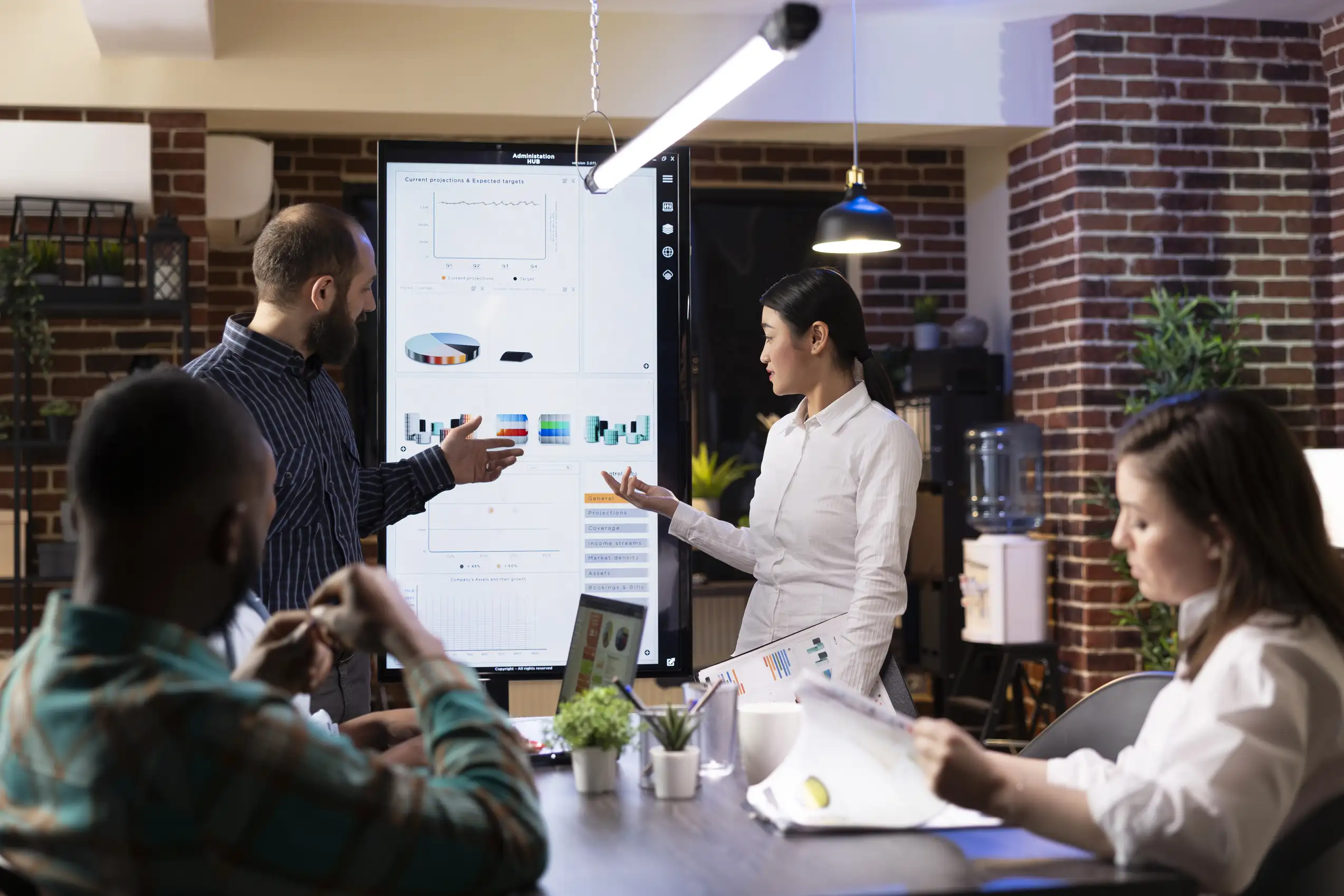
In the 1980s and 1990s, a television channel called QVC pioneered something remarkable. A host would hold up a product, explain its features, demonstrate it live, answer caller questions, and display a countdown showing diminishing stock. Viewers would phone in and buy immediately. At its peak, QVC generated over 12 billion dollars in annual revenue from this format.
Then e-commerce arrived, and everyone assumed the model was dead. Why would anyone watch someone sell products on a screen when they could browse an infinite catalogue at their own pace?
Forty years later, the QVC model is not just alive. It is the highest-converting sales format in modern digital commerce. The screen has simply moved from the television to the phone, the phone line has become a comment section, and the host is now an influencer, a founder, or a brand associate streaming live on Instagram, TikTok, or YouTube.
Live-stream selling generated over 500 billion dollars globally in 2024, with China accounting for the majority. But the Western market is accelerating rapidly, and brands that establish live selling capabilities now are building a competitive advantage that will compound for years.
Why Live Selling Converts at 10x
The conversion rate of live-stream shopping events is staggering. Industry benchmarks place live shopping conversion rates at 10 to 30 percent -- compared to 2 to 3 percent for standard e-commerce. That is not a marginal improvement. It is an order-of-magnitude shift.
Several forces drive this performance:
Real-Time Product Demonstration
Static product pages show you what something looks like. Live streams show you what something is like. A host can demonstrate drape, fit, texture, functionality, and styling in real time. They can respond to comments asking to see the product from a different angle, compare it to another item, or demonstrate a specific feature. This dynamic demonstration replicates the in-store experience in a way that photographs and pre-recorded video cannot.
As we explore in The Phygital Bridge: Connecting the Trial Room to the Timeline, bridging the gap between physical and digital retail is one of the most important challenges in modern commerce. Live-stream selling is one of the most effective bridges available.
Social Proof at Scale
When hundreds or thousands of people are watching simultaneously, and comments are flowing with reactions like "just bought one" and "this colour is gorgeous," the social proof effect is immense. The viewer is not making an isolated purchase decision. They are participating in a collective experience where buying is the social norm.
This is the same psychology that makes a busy restaurant more appealing than an empty one -- but amplified by the transparency of digital engagement. Every comment, every purchase notification, every reaction emoji reinforces the desirability of the product.
Compressed Decision-Making
Live streams create a natural urgency that does not feel manufactured. The host is presenting a product now. The special offer is available during the stream. When the stream ends, the moment passes. This temporal pressure compresses the decision-making process from days or weeks into minutes.
Combined with in-stream checkout -- where the viewer can purchase without leaving the live stream -- the path from interest to transaction can be as short as 30 seconds.
The Three Live-Selling Formats That Work
Not all live streams are created equal. The most successful brands use three distinct formats, each serving a different purpose.
The Discovery Show
This is the classic QVC format adapted for social media. A host presents a curated selection of products -- typically 8 to 15 items over a 30 to 60-minute stream. Each product gets a dedicated segment with demonstration, storytelling, and a clear call to action.
The discovery show works best for:
- New collection launches where the audience has not seen the products before
- Cross-selling by showing how multiple products work together
- Reaching new audiences through platform recommendations, since live streams often receive algorithmic boosts
Key principles for discovery shows:
- Open with your second-best product. The first few minutes have the highest viewer drop-off. Save your absolute best for the 10 to 15-minute mark when the audience has stabilised.
- Create a running order but leave room for spontaneity. Responding to audience requests makes the experience feel interactive rather than scripted.
- Use limited-time pricing for each product segment. "This price is only available while I'm showing it" creates urgency within the broader urgency of the live format.
The Deep Dive
A focused session dedicated to a single product or a very small range. This format runs 15 to 30 minutes and is designed for high-consideration products where the customer needs detailed information before purchasing.
The deep dive works best for:
- Premium products where price resistance requires thorough justification
- Technical products that need explanation or demonstration
- Customisable products where showing options and configurations live helps the customer make decisions
The deep dive's advantage is authority. Thirty minutes of knowledgeable, passionate presentation on a single product communicates expertise and builds the confidence that drives purchase.
The Behind-the-Scenes Stream
This format is less overtly commercial but often drives strong results through authenticity. It might involve touring the workshop, showing how products are made, introducing the team, or giving a preview of upcoming releases.
The commercial intent is softer -- typically a "shop the products mentioned in today's stream" link rather than aggressive selling. But the relationship-building effect creates long-term customer value that exceeds the immediate revenue of a hard-sell format.
Platform Selection and Setup
Each platform offers different live-selling capabilities, and your choice should align with your audience and product type.
TikTok Live Shopping
TikTok's live shopping integration is currently the most seamless in Western markets. Products can be pinned to the live stream, viewers can add to cart without leaving, and the checkout process happens within the app. TikTok also aggressively promotes live streams in the For You feed, meaning your live audience can grow organically during the broadcast.
TikTok live selling works particularly well for fashion, beauty, home goods, and any visually demonstrable product targeting consumers under 40.
Instagram Live Shopping
Instagram Live allows product tagging during broadcasts, though the checkout integration varies by region. The platform's strength is its existing shopping infrastructure -- audiences are already accustomed to purchasing through Instagram, which reduces friction.
Instagram live selling excels for brands with established Instagram followings and for premium or lifestyle products where the platform's aesthetic sensibility adds value. This connects directly to the principle of selling inside the story -- the most effective live sellers weave products into narrative rather than presenting them as isolated items.
YouTube Live Shopping
YouTube's live shopping features are maturing, and the platform offers a unique advantage: duration. YouTube audiences are conditioned to longer content, making it ideal for deep-dive formats and extended discovery shows. YouTube streams also remain available as VOD content, generating ongoing views and sales long after the live event ends.

The Host Factor
The host makes or breaks a live-selling event. The best live-selling hosts share specific qualities:
- Product knowledge -- deep, genuine familiarity with the products. Audiences detect surface-level scripting instantly. The host should be able to answer unexpected questions without hesitation.
- Conversational energy -- the ability to maintain engaging, natural dialogue for 30 to 60 minutes while simultaneously reading and responding to comments. This is a specific skill that improves with practice.
- Sales instinct -- knowing when to push for the close and when to let the product speak. The best hosts read the comment stream to gauge audience sentiment and adjust their approach in real time.
- Authenticity -- willingness to be honest about limitations. "This fabric wrinkles easily, so if that bothers you, the polyester blend might be a better choice" builds more trust than unqualified praise -- and trust is what drives repeat viewers and long-term revenue.
Your best live-selling host might not be a professional presenter. It might be a product designer, a customer service lead, or a founder. Authenticity and knowledge consistently outperform polish and presentation skills.
Building Your Live-Selling Audience
The biggest challenge for brands launching live selling is not the technology or the content. It is the audience. An empty live stream is worse than no live stream -- the lack of engagement creates negative social proof.
Build your live audience systematically:
- Announce schedules in advance and stick to them. Consistency builds habits. "Live every Thursday at 7pm" trains your audience to show up.
- Use Stories and posts to promote upcoming streams at least 24 hours in advance. As we discuss in How Video Content Transforms Social Media Engagement, video teasers are the most effective promotional format for driving attendance.
- Offer live-exclusive incentives -- discounts, early access, or bonus items available only during the stream. This rewards attendance and builds FOMO for those who miss it.
- Collaborate with complementary brands or influencers to cross-pollinate audiences. A joint live stream introduces both audiences to both brands.
- Start small -- a live stream with 20 highly engaged viewers is more valuable than one with 200 passive watchers. Quality of engagement matters more than quantity, especially in the early stages.
Production Without Over-Production
Live-selling content should feel live. Excessive production -- studio lighting, teleprompter scripts, branded lower thirds -- can create a distance between the host and the audience that undermines the format's greatest strength: intimacy.
Essential equipment:
- A smartphone with a good front camera -- this is genuinely all you need to start
- A ring light or window with natural light -- consistent, flattering lighting
- A stable mount or tripod -- shaky footage is distracting
- A quiet environment -- background noise is the most common quality issue
Everything else -- multi-camera setups, professional audio, branded graphics -- can come later as you scale. The first priority is proving the format works for your products and audience.
Measuring Live-Selling ROI
Track these metrics from day one:
- Peak concurrent viewers -- the maximum number of simultaneous watchers. This measures your promotional effectiveness and scheduling accuracy.
- Average watch time -- how long viewers stay. If average watch time is under five minutes, your content is not holding attention.
- Revenue per viewer -- total stream revenue divided by unique viewers. This is your core efficiency metric.
- Comment-to-purchase ratio -- the percentage of commenting viewers who make a purchase. High engagement combined with low purchases indicates a content or pricing issue.
- Replay revenue -- how much revenue the recorded stream generates after the live event. Strong replay revenue justifies investing in higher production quality.
Go Live
Live-stream selling is not a trend. It is the convergence of entertainment, community, and commerce into a single format -- and it is the closest digital has come to replicating the energy and conversion power of in-person selling.
The brands building live-selling capabilities now are not just adding a revenue channel. They are training a muscle that will define social commerce for the next decade. The technology is accessible. The platforms are incentivising adoption. The audiences are ready.
At Ardena, our media production and social media teams help brands launch live-selling programmes from the ground up -- strategy, host training, technical setup, and ongoing optimisation. Whether you are running your first stream or scaling an established programme, we bring the expertise to make live selling a reliable, repeatable revenue driver.
Start your live-selling journey with Ardena -- and turn your social channels into your most productive shopfloor.