Pioneering
Creative
Excellence
ardenatech.com
The Brand Photography Playbook for 2026
How to plan, shoot, and deploy brand photography that builds trust, drives engagement, and outperforms generic stock imagery across every channel.
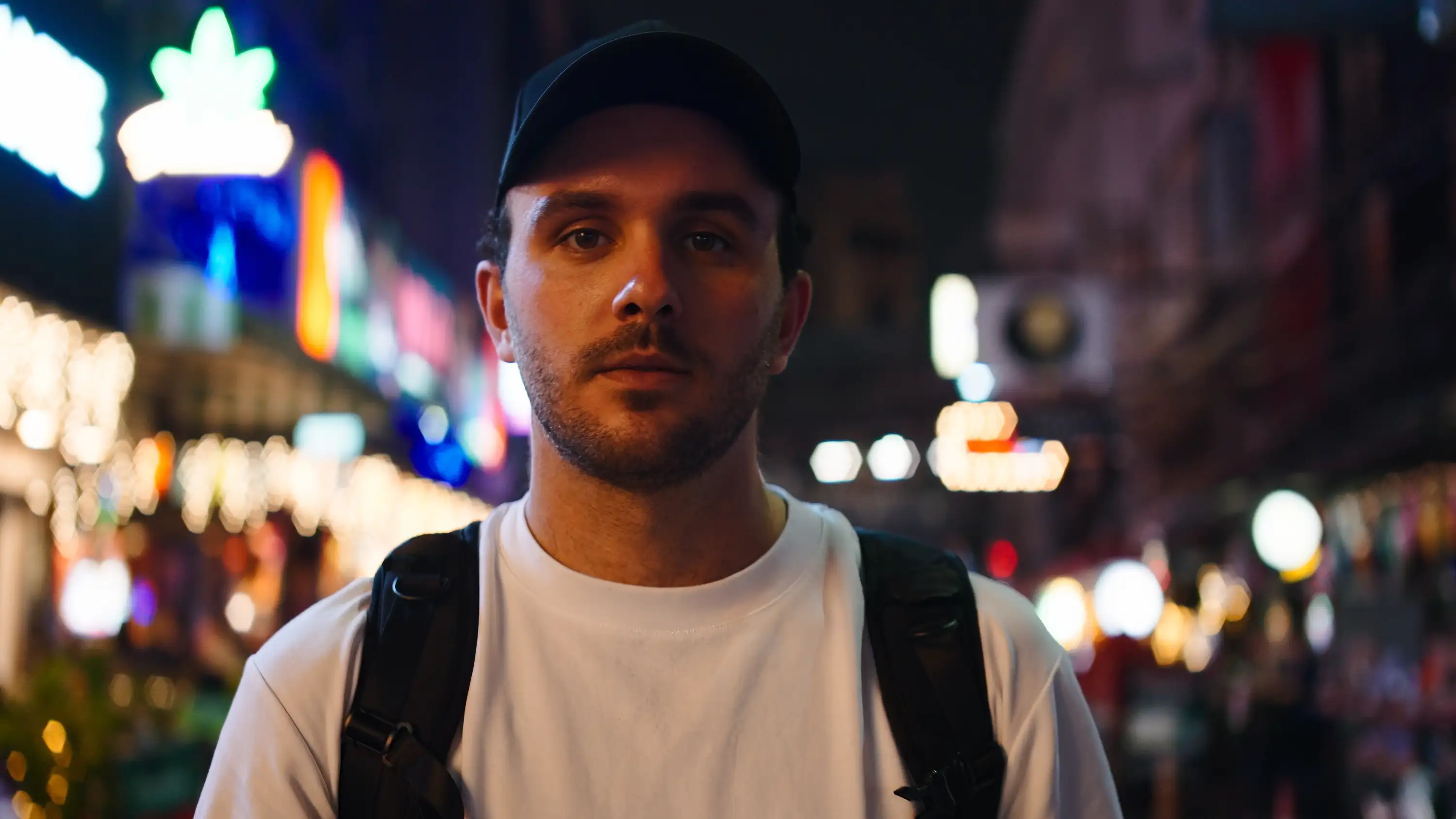
Your brand's visual identity is no longer just a logo and a colour palette. In 2026, it is the sum of every photograph a prospect encounters -- on your website, in their social feed, across email campaigns, and within pitch decks. The brands that invest in original, strategically planned photography consistently outperform those relying on stock libraries, and the gap is widening.
This playbook covers the full lifecycle of brand photography: from strategic planning and creative direction through to production, post-processing, and long-term asset management. Whether you are building a visual library from scratch or refreshing an ageing one, these principles will help you create imagery that genuinely works for your business.
Why Stock Photography Is Costing You Conversions
Stock photography is convenient. It is also, increasingly, a liability. The core problem is twofold: the authenticity gap and brand blindness.
The Authenticity Gap
Modern audiences have developed an almost instinctive ability to spot stock imagery. The overly polished smiles, the ethnically diverse but generically posed boardroom scenes, the suspiciously perfect flat-lay arrangements -- they register as inauthentic before the conscious mind even processes them. Research consistently shows that pages featuring real team members, genuine workspaces, and actual products outperform stock-heavy pages on engagement metrics, time on page, and conversion rates.
The authenticity gap is not merely aesthetic. When a visitor sees a stock photo of a "team" on your About page, they subconsciously register that you are hiding something. When they see your actual team in your actual office, they begin forming a relationship. That distinction translates directly into trust, and trust translates directly into revenue.
Brand Blindness
When multiple competitors in your sector use the same stock libraries -- and they do -- your visual identity becomes interchangeable. A prospect who visits three SaaS websites in succession and sees the same style of isometric illustrations or the same "woman looking at laptop" imagery cannot visually distinguish between you and the competition. Custom photography is one of the fastest ways to create a distinctive, ownable visual identity that prospects remember.
Planning a Brand Shoot: Creative Brief, Mood Boards, and Shot Lists
The most common mistake in brand photography is treating the shoot as the starting point. Effective brand photography starts weeks before anyone picks up a camera, with a structured planning process that ensures every frame serves a strategic purpose.
The Creative Brief
A creative brief for brand photography should answer these questions at minimum:
- Who is the audience? The visual tone for a B2B enterprise audience differs fundamentally from a direct-to-consumer lifestyle brand. Define your primary and secondary audiences explicitly.
- What is the brand personality? Is your brand approachable or authoritative? Innovative or established? Playful or serious? These attributes should directly inform lighting, composition, wardrobe, and location choices.
- Where will the images be used? A photograph destined for a billboard has different requirements from one intended for an Instagram carousel. Understanding deployment channels upfront avoids costly re-shoots.
- What actions should the images support? Every image should contribute to a business objective -- whether that is building trust, demonstrating expertise, showcasing culture, or driving enquiries.
Mood Boards
Mood boards translate abstract brand attributes into concrete visual references. Collect 15 to 25 images that capture the desired feeling, lighting style, colour temperature, composition approach, and subject treatment. Include examples from outside your industry to avoid unconsciously replicating competitor aesthetics. Share the mood board with every stakeholder -- photographer, art director, stylist, and client -- to align expectations before the shoot begins.
Shot Lists
A shot list is the operational backbone of your shoot day. For each required image, specify:
- Subject and setting
- Composition style (close-up, medium, wide, environmental)
- Intended use and required aspect ratios
- Any specific props, wardrobe, or styling notes
- Priority level (must-have versus nice-to-have)
Organise shots by location and setup to minimise lighting changes and equipment moves during the shoot. A well-structured shot list can double your output from a single shoot day.
The Essential Shot Types Every Brand Needs
While every brand's visual requirements are unique, there are five categories of imagery that virtually every organisation needs in its library.
Team Portraits
Individual and group portraits remain the most impactful trust-building assets you can create. They put faces to names, humanise your organisation, and signal transparency. Invest in both formal headshots (consistent background, lighting, and framing for website profiles) and informal environmental portraits that show people in context -- at their desks, in workshops, or engaged in their craft.
Workspace and Environment
Your physical space tells a story about your culture, values, and working style. Capture wide establishing shots that convey atmosphere, as well as detail shots -- the tools on a desk, the whiteboards after a brainstorming session, the coffee machine that fuels the team. These images are invaluable for recruitment pages, culture decks, and social media content.
Product-in-Use
Products photographed in isolation are catalogues. Products photographed in use are stories. Show your product or service being used by real people in real contexts. For software, this means screen-in-environment shots rather than flat screenshots. For physical products, this means hands interacting with the product, not just the product sitting on a white background.
Lifestyle and Context
Lifestyle photography places your brand within the broader world your audience inhabits. These images capture the aspirations, activities, and environments that your customers identify with. They are essential for social media, advertising, and top-of-funnel content where emotional connection matters more than product specifics.
Behind-the-Scenes
Behind-the-scenes content has become one of the highest-performing content categories across social platforms. Audiences crave authenticity, and showing your process -- the messy whiteboard, the prototype that failed, the team celebrating a milestone -- builds the kind of relatable trust that polished marketing imagery cannot achieve alone.
Technical Standards for Multi-Channel Deployment
Brand photography must work across an ever-expanding range of channels, each with its own technical requirements. Planning for multi-channel deployment during the shoot -- not after -- saves significant time and budget.
Web
Deliver web images in WebP format at 2x resolution for retina displays, with fallback JPEG versions. Target file sizes under 200KB for hero images and under 100KB for supporting imagery. Shoot with sufficient negative space to accommodate text overlays and responsive cropping without losing the subject.
Social Media
Each platform has its own preferred aspect ratios: 1:1 for Instagram feed posts, 9:16 for Stories and Reels, 16:9 for LinkedIn and YouTube thumbnails, 4:5 for Facebook. Compose key shots with multiple crop options in mind, keeping the primary subject centred or positioned to survive both landscape and portrait crops.
Print requires a minimum resolution of 300 DPI at the intended output size. Shoot in RAW format to preserve maximum detail and dynamic range for print reproduction. Ensure colour profiles are calibrated -- shoot with a colour checker card in the first frame of each lighting setup to enable accurate colour correction in post-production.
Email clients render images inconsistently, so optimise for maximum compatibility. Keep images under 600 pixels wide for single-column layouts, use sRGB colour space, and ensure key visual information remains clear at reduced quality levels, as some clients compress images aggressively.
Art Direction Principles: Lighting, Composition, and Colour Consistency
Consistent art direction is what separates a cohesive brand visual system from a random collection of photographs. Three elements matter most.
Lighting
Lighting establishes mood more powerfully than any other single variable. Define a lighting style in your creative brief and maintain it throughout the shoot. Soft, diffused natural light conveys warmth and approachability. Hard, directional light creates drama and authority. Flat, even studio light suggests precision and control. Whatever your choice, consistency across the entire image library is essential -- mixing lighting styles creates visual discord that undermines brand coherence.
Composition
Establish compositional guidelines that reflect your brand character. Symmetrical, centred compositions suggest stability and tradition. Dynamic angles and off-centre subjects convey energy and innovation. Tight crops with shallow depth of field create intimacy, while wide environmental shots establish context and scale. Document these preferences so that every photographer who works with your brand -- now and in the future -- produces consistent results.
Colour Consistency with Brand Palette
Your brand's colour palette should inform every aspect of the photographic process: location selection, wardrobe choices, prop styling, and post-production colour grading. If your brand palette centres on warm earth tones, avoid shooting in environments dominated by cool blues. If your palette is minimal and monochromatic, ensure wardrobe and props follow suit. In post-production, apply consistent colour grading across all images to create a unified look, even when individual photographs were captured in different locations and lighting conditions.
Editing and Post-Production Workflow for Brand Consistency
Post-production is where individual photographs become a cohesive visual system. A structured workflow ensures consistency regardless of how many photographers, editors, or shoot days are involved.
Culling and Selection
Begin by rating all images on a simple three-tier system: selects (best-in-class), alternates (usable but not first choice), and rejects. Involve stakeholders in the selection process early to avoid investing editing time in images that will not be approved.
Colour Grading and Presets
Develop a set of brand-specific colour grading presets in Lightroom, Capture One, or your preferred editing software. These presets should encode your brand's tonal preferences: warm or cool white balance, saturation levels, contrast curves, shadow treatment, and highlight rolloff. Apply the base preset to all selects, then make individual adjustments as needed. Store and version-control your presets so they remain consistent across editing sessions and team members.
Retouching Standards
Define clear retouching guidelines that balance professionalism with authenticity. Over-retouched images look artificial and undermine the trust that custom photography is meant to build. Establish standards for skin retouching, background cleanup, object removal, and compositing -- and ensure every editor follows them consistently.
Export Specifications
Create documented export specifications for each deployment channel. Include file format, resolution, colour space, compression settings, and naming conventions. Automating exports through batch processing or export presets eliminates human error and ensures every delivered file meets technical requirements.
Building a Visual Asset Library That Scales
A brand photography programme is not a one-off project. It is an ongoing investment that compounds in value over time -- but only if assets are organised, accessible, and maintained.
Organisation and Naming Conventions
Adopt a consistent naming convention that encodes key metadata into the filename itself. A structure like [Brand]_[Category]_[Subject]_[Date]_[Sequence] -- for example, Ardena_Team_Portrait_20260307_001.webp -- makes files searchable and sortable without relying on metadata readers. Organise folders by category first (Team, Workspace, Product, Lifestyle, BTS), then by date or project within each category.
Metadata and Tagging
Embed IPTC metadata in every delivered file: caption, keywords, copyright notice, usage rights, and photographer credit. Rich metadata transforms a folder of files into a searchable library. Invest time in keyword tagging during the initial cataloguing phase -- it pays dividends every time someone needs to find a specific image months or years later.
Digital Asset Management Systems
As your library grows beyond a few hundred images, a dedicated Digital Asset Management (DAM) system becomes essential. DAM platforms provide centralised storage, advanced search, version control, usage tracking, and access permissions. They ensure that every team member -- from the marketing team to external agency partners -- can find and use the right image without duplicating files or using outdated versions. Evaluate options based on your team size, integration requirements, and budget, from lightweight solutions like Brandfolder to enterprise platforms like Bynder or Adobe Experience Manager.
Refresh Cycles
Brand photography has a shelf life. Team members change, offices evolve, products update, and visual trends shift. Plan annual or bi-annual refresh shoots to keep your library current. Track which images are most frequently used and which are gathering dust -- this data informs the shot list for your next shoot, ensuring you invest production time where it delivers the most value.
Measuring the Impact of Custom Photography vs Stock
The case for custom photography is intuitive, but intuition alone does not secure budget. Build a measurement framework that quantifies the impact of your visual investment.
A/B Testing
Run controlled tests comparing pages with stock imagery against identical pages featuring custom photography. Measure conversion rate, bounce rate, time on page, and scroll depth. In our experience, custom photography consistently lifts conversion rates by 15 to 35 percent on key landing pages -- but your specific results will depend on your audience, industry, and execution quality.
Engagement Metrics
Track social media engagement rates for posts featuring custom photography versus stock or graphic-only content. Custom imagery typically generates higher save rates, shares, and comments -- metrics that signal genuine audience interest rather than passive scrolling.
Brand Perception Surveys
Periodically survey your audience to measure perceived brand attributes: trustworthiness, professionalism, approachability, and innovation. Compare results before and after deploying custom photography across your channels. These qualitative insights complement your quantitative data and help justify ongoing investment.
Cost-per-Use Analysis
Calculate the cost per use of your custom images over their lifetime. A professional brand shoot may cost significantly more upfront than a stock subscription, but when those images are deployed across your website, social channels, email campaigns, sales collateral, recruitment materials, and event presentations, the cost per use often drops below stock pricing within the first year -- with the added benefit of exclusivity and brand alignment.
Make Your Brand Impossible to Ignore
Brand photography is not a luxury reserved for enterprise budgets. It is a strategic asset that directly impacts trust, engagement, and conversion at every stage of the customer journey. The brands that invest in authentic, strategically planned visual content create a compounding advantage that generic stock imagery simply cannot match.
At Ardena, our media production team handles the full spectrum of brand photography -- from creative strategy and art direction through to production, post-processing, and asset management. We work with brands across industries to build visual libraries that scale, perform, and genuinely represent who they are.
If your current imagery is not working as hard as your business, get in touch to discuss how a structured brand photography programme can transform your visual presence.