Pioneering
Creative
Excellence
ardenatech.com
Ardena 2030: The Future of Global Social Orchestration
The next decade of social media will demand orchestration, not just management. Here is how Ardena is building the infrastructure to help brands thrive across platforms, markets, and cultures.

The social media landscape of 2016 was a village. A handful of platforms, a few content formats, a relatively homogeneous global audience consuming content in broadly similar ways. A single social media manager with a scheduling tool and a decent eye for photography could handle an entire brand's digital presence.
The social media landscape of 2026 is a sprawling metropolis. Dozens of platforms, each with distinct algorithms, audience behaviours, and content conventions. Video in six aspect ratios. Commerce embedded in feeds. AI-generated content flooding every channel. Regional platforms in Asia, the Middle East, and Africa commanding audiences that rival Western incumbents. Regulatory frameworks diverging across jurisdictions. And audiences that are simultaneously more sophisticated and more sceptical than ever.
By 2030, this complexity will intensify. The brands that thrive will not be those with the best content or the largest budgets. They will be those with the best orchestration -- the ability to coordinate strategy, content, distribution, and measurement across an interconnected global ecosystem. That is the future Ardena is building toward.
The Shift from Management to Orchestration
Social media management -- scheduling posts, responding to comments, tracking basic metrics -- was sufficient in an era of fewer platforms and simpler algorithms. That era is over.
Orchestration is fundamentally different:
- Management is reactive; orchestration is strategic. Management responds to what is happening on platforms. Orchestration anticipates where platforms are heading and positions brands accordingly.
- Management is platform-by-platform; orchestration is ecosystem-wide. A managed approach treats each platform as an independent channel. An orchestrated approach treats the entire social ecosystem as a single, interconnected system where content, audiences, and data flow between platforms.
- Management measures activity; orchestration measures impact. Posts published, likes received, followers gained -- these are activity metrics. Revenue influenced, brand sentiment shifted, market share captured -- these are impact metrics.
The distinction matters because the volume and complexity of social media in 2030 will make platform-by-platform management not just inefficient but impossible. Brands will need partners who can see the entire chessboard and move pieces across it with coordination and intent.
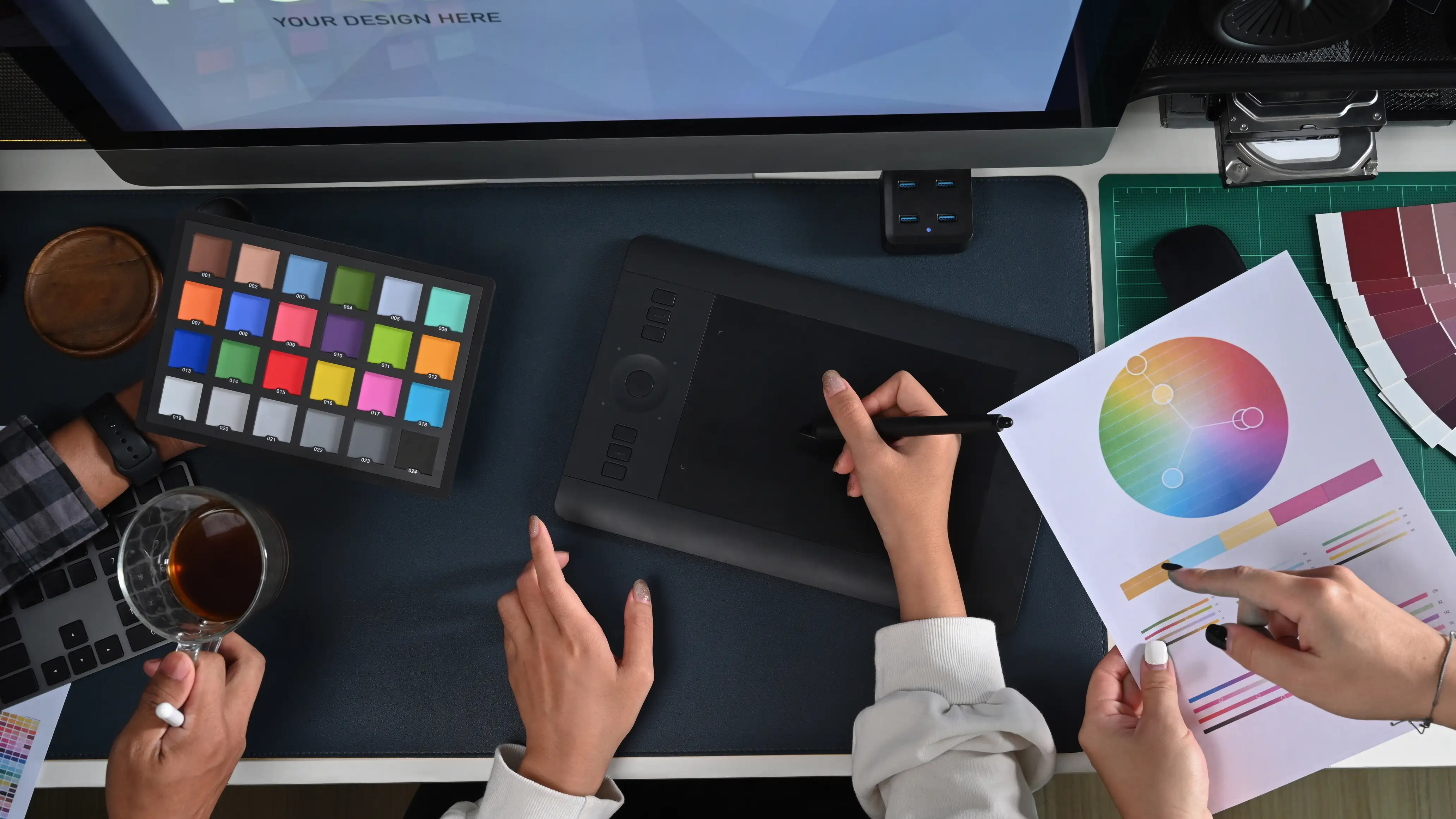
Five Trends Shaping the 2030 Social Landscape
Understanding where social media is heading is essential to understanding why orchestration will be non-negotiable. Here are the five trends that will define the landscape over the next four years.
The Fragmentation Acceleration
The era of platform consolidation is over. Rather than a few dominant platforms absorbing all social activity, we are witnessing accelerating fragmentation. Niche platforms catering to specific interests, demographics, and regions are proliferating. By 2030, a global brand may need a presence on 15 to 20 platforms to reach its full addressable audience.
This fragmentation is not a problem to be solved; it is a reality to be orchestrated. Each platform represents a distinct context with distinct audience expectations, and the brands that treat all platforms identically will underperform those that adapt their voice, format, and strategy to each.
AI-Native Content and the Authenticity Premium
Generative AI is already capable of producing competent social content at scale. By 2030, the majority of social media content will be AI-generated or AI-assisted. This flood of algorithmically produced material will create an overwhelming sameness -- and an enormous opportunity for brands willing to invest in genuinely human, genuinely original content.
As we explored in our piece on why perfect AI content damages brand perception, audiences are already developing an instinct for detecting synthetic content. By 2030, this instinct will be sharper, and the premium for authentic human creativity will be higher than ever.
Social Commerce as Primary Revenue Channel
The boundary between social media and e-commerce is dissolving. In-app purchasing, live shopping, shoppable video, and AI-powered product recommendations within social feeds are transforming platforms from awareness channels into direct revenue engines.
By 2030, for many consumer brands, social commerce will represent a larger share of revenue than traditional e-commerce websites. This shift demands that social strategy be integrated with commercial strategy at the highest level -- not siloed in a marketing department but embedded in business planning.
Cross-Cultural Content Localisation
Global brands have long understood the need for market-specific advertising. Social media demands a deeper level of localisation. It is not enough to translate a caption; the entire content strategy -- formats, references, humour, visual style, posting cadence -- must be adapted to local platform cultures.
A brand's TikTok strategy in the UK will differ fundamentally from its strategy in India, which will differ again from its approach in the Gulf states. This is not merely a translation challenge; it is a cultural fluency challenge. Our work helping Indian tech companies scale into the UK market has reinforced just how critical cultural adaptation is to social success.
Privacy, Regulation, and First-Party Data
The regulatory landscape for social media is tightening across every major market. Cookie deprecation, data privacy legislation, and platform-level restrictions on tracking are fundamentally changing how brands understand and reach their audiences.
By 2030, the brands with robust first-party data strategies -- built on genuine audience relationships rather than third-party tracking -- will have an insurmountable advantage. Social media will be the primary engine for building these direct relationships, making every follower, subscriber, and community member a strategic asset.
Ardena's Orchestration Model
Ardena's vision for 2030 is built on a simple conviction: brands should not need multiple agencies, freelancers, and tools to navigate the social ecosystem. They need a single orchestration partner with the strategic depth, creative capability, and technical infrastructure to coordinate every dimension of their social presence.
Strategy That Spans Markets and Platforms
Our strategic planning process begins with the brand's commercial objectives and works backward to platform-specific tactics. Rather than asking "What should we post on Instagram this week?" we ask "What business outcomes do we need to drive this quarter, and how does each platform contribute?"
This approach ensures that every piece of content, every campaign, and every community interaction serves a measurable business purpose -- not just a content calendar.
Creative That Adapts Without Diluting
A single creative idea should be able to travel across platforms and markets without losing its potency. Our creative teams develop modular content systems -- core narratives that can be adapted in format, language, and cultural reference for each context while maintaining brand coherence.
This is the essence of orchestration: not producing separate content for each platform, but producing interconnected content that reinforces the same strategic message across every touchpoint. It is an approach grounded in strong visual identity principles scaled to global complexity.
Integrated Service Delivery
The artificial boundaries between branding, digital marketing, web development, social media management, and media production are dissolving. A brand's social strategy cannot be separated from its web presence, its search visibility, or its visual identity. These disciplines must work in concert, informed by the same data and directed by the same strategic vision.
Ardena's integrated model ensures that every service line -- from brand strategy to content production to performance marketing -- operates as a unified system rather than a collection of independent departments.
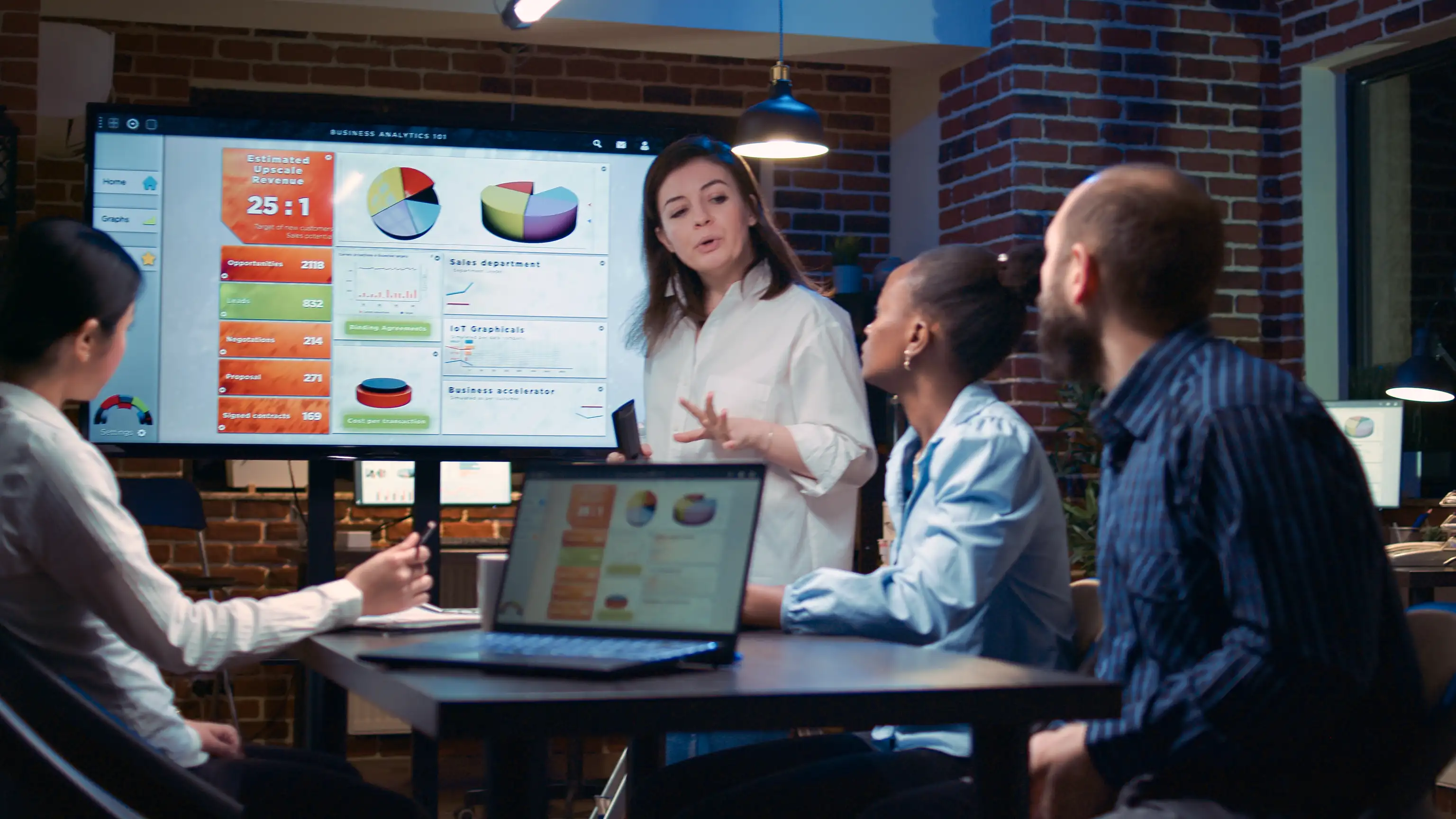
What This Means for Brands Today
The 2030 landscape may feel distant, but the decisions brands make today will determine their position when it arrives. The brands that begin building orchestration capabilities now -- investing in cross-platform strategy, cultural localisation, first-party data, and integrated creative production -- will compound their advantage over the next four years.
Those that continue to treat social media as a series of disconnected channels, managed reactively and measured superficially, will find themselves increasingly outpaced by competitors who operate with strategic coherence across the entire ecosystem.
Three Actions for Forward-Thinking Brands
- Audit your current social ecosystem. Map every platform, market, and audience segment you serve. Identify where your strategy is coordinated and where it is fragmented.
- Invest in first-party audience relationships. Build communities, nurture subscriber lists, and create genuine value exchanges that do not depend on third-party data.
- Consolidate your partnership model. Evaluate whether your current agency and vendor structure supports orchestration or inhibits it. Multiple specialists pulling in different directions will cost you coherence -- and, ultimately, market position.
Build for the Future with Ardena
The next decade of social media will reward orchestration over improvisation, coherence over volume, and strategic depth over tactical reactivity. Ardena is building the capabilities, the infrastructure, and the global perspective to be the orchestration partner that forward-thinking brands need.
If you are ready to move beyond social media management and toward true social orchestration, let us start the conversation. The future belongs to the brands that prepare for it today.